Every year on February 11, the world celebrates the International Day of Women and Girls in Science. It is a day to honor the achievements of women in laboratories, hospitals, universities, and research centers across the globe. We celebrate breakthroughs led by women. We encourage girls to dream of becoming doctors, engineers, scientists, and innovators.
It is a day of hope but while the world celebrates, there is another reality unfolding in a different corner of the world.
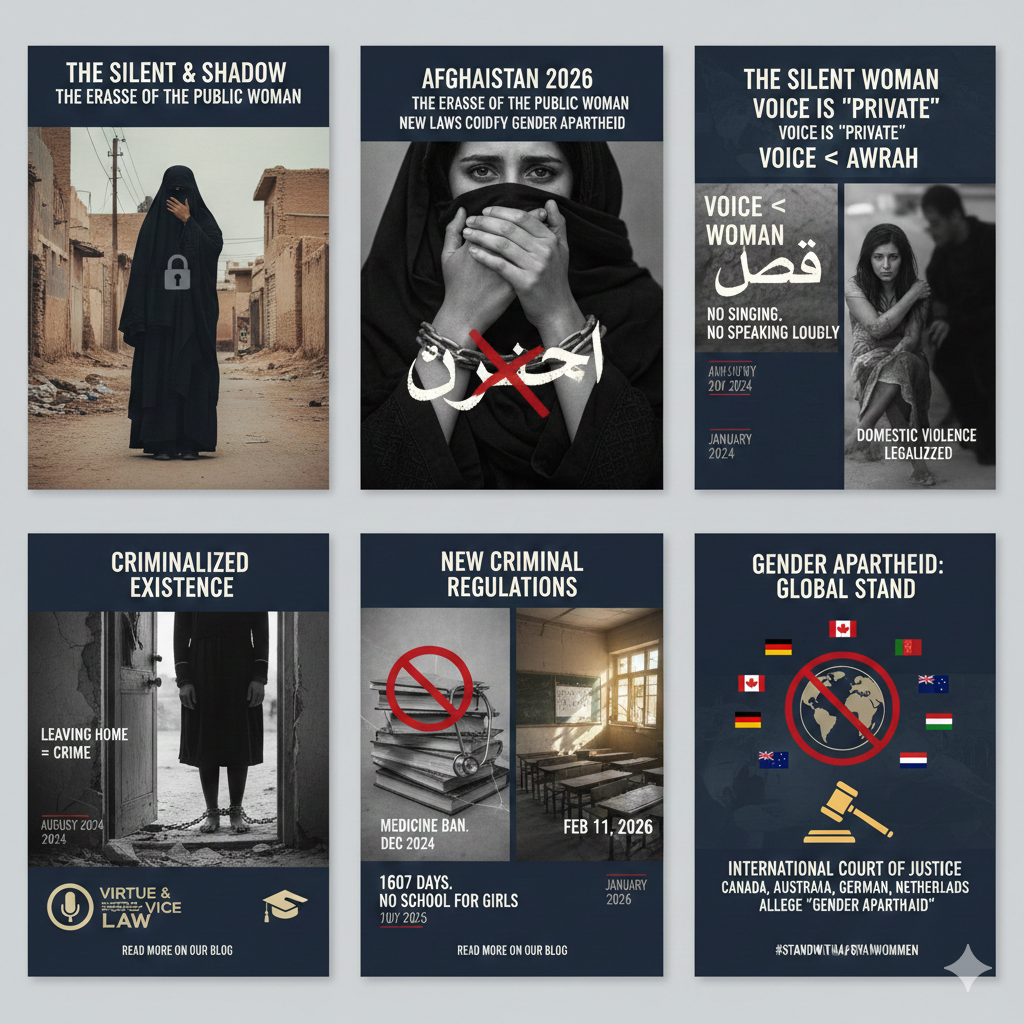
Afghanistan is counting 1,607 Days Without Secondary Education
As of today, February 11, 2026, it has been 1,607 days since girls over the age of 12 in Afghanistan were first banned from attending secondary school. That is more than four years:
Four years of lost classrooms.
Four years of stolen textbooks.
Four years of silenced dreams.
And the restrictions did not stop there.
The Medicine Ban on December 2024
In December 2024, the Taliban banned women from attending medical institutes and midwifery schools. This decision has devastating consequences. Women in Afghanistan are largely prohibited from being treated by male doctors. Yet now, women are also banned from becoming doctors, nurses, and midwives.
The result?
A catastrophic and unavoidable women’s health crisis.
No country can survive when half of its population is denied education. No healthcare system can function when women are blocked from training while also restricted from receiving treatment from male professionals. On a day when the world celebrates women in science, Afghan girls are not even allowed to study basic biology or chemistry to the very foundation required to become a nurse.
This is not just discrimination.
It is systematic erasure.
Bangladesh is having Different Struggle and A Familiar Quest
Bangladesh is not Afghanistan. Women in Bangladesh work in science, medicine, education, business, and have served as prime ministers. They have driven economic growth and social progress till now.
While Afghanistan faces an extreme and devastating ban, concerns about women’s rights are also emerging in Bangladesh, especially with the February 12, 2026 national election.
WHY?
First, the political party Jamaat-e-Islami has fielded no female candidates in this election. Public statements from party leadership have raised concerns about women’s roles in leadership and public life. Political representation matters.
When women are not present in Parliament, who speaks for policies affecting women? This rhetoric promotes a restrictive vision of women’s participation in society.
Bangladesh has a long history of female leadership at the highest level. So when a major political party excludes women from candidacy, it raises an important question, “If women are absent from decision-making tables, what happens to policies that affect women?”
Recently, one the Jamaat leader Shamim Ahsan sparked outrage when he described the Dhaka University Central Students’ Union (DUCSU) as a “drug den and a brothel” during a rally.
Dhaka University is one of the country’s most prestigious institutions. Thousands of young women study there, lead student organizations, and shape the country’s intellectual future.
When a political leader uses such language about a university space, it inevitably affects how female students are perceived. Women’s rights organizations condemned the remarks as derogatory and damaging. Students protested. The statement was widely criticized.
If this is how female students at a leading university are spoken about during an election campaign, many are asking: “What kind of environment will women face if such voices gain more power?”
Adding to these concerns, Jamat is shadowing the history of hardline groups like Hefazat-e-Islam, which have made controversial statements about limiting girls’ education and promoting confinement of women to domestic roles in their 13-point demand back in 2013.
As mentioned earlier, Bangladesh has made measurable progress in girls’ education, maternal health, and women’s participation in the workforce. Women scientists, doctors, and researchers contribute to the nation’s development. But political rhetoric shapes cultural attitudes, right?
If women are excluded from candidacy,
If female students are described in degrading terms,
If equality reforms are labeled immoral,
then concern is not unreasonable.
With only one day left before the election, the question feels urgent. And what direction will women’s rights take?
A Global Celebration and Our Global Responsibility
The International Day of Women and Girls in Science reminds us that talent has no gender. Intelligence has no gender. Curiosity has no gender. But opportunity does.
In some countries, girls are building robots and leading medical research.
In others, they are banned from stepping into a classroom.
On this day, we celebrate women scientists and we should. But celebration without awareness risks becoming hollow. Because somewhere today:
A girl in Afghanistan sits at home, forbidden from studying.
A future midwife is blocked from training.
A potential scientist is told her education is unnecessary.
Political systems debate whether women belong in leadership at all.
Until every girl, in every country, can freely open a science textbook without fear or restriction, our celebration remains incomplete.
Because science needs women.
Healthcare needs women.
Democracy needs women.
And no society moves forward by pushing half its population backward.
Leave a Reply